
14 Jul
After a car accident, one of the most important documents you may need is the official police report. Insurance companies often use this report when reviewing a claim, and it can also serve as valuable documentation if there is a dispute about how the accident occurred.
Fortunately, obtaining a police report in Texas is usually a straightforward process when you know where to look.
Step 1: Confirm That a Police Report Was Created
Not every accident results in a police report. If law enforcement responded to the scene, an officer will typically prepare an official crash report.
Before requesting the report, try to have basic information available, such as:
- The date and approximate time of the accident
- The city or county where the crash occurred
- The names of the drivers involved
- The report or incident number, if available
Having this information can make it easier to locate the correct report.
Step 2: Determine Which Agency Responded
Police reports are maintained by the law enforcement agency that investigated the accident.
Depending on where the crash occurred, the report may have been prepared by:
- A local police department
- A county sheriff’s office
- The Texas Department of Public Safety (DPS)
- Another law enforcement agency with jurisdiction
Knowing which agency handled the accident is the first step toward requesting the report.
Step 3: Request the Report
Many Texas agencies allow crash reports to be requested online, by mail, or in person.
You may be asked to provide identifying information about the accident and pay a small administrative fee, depending on the agency’s procedures.
In some situations, reports are not immediately available because they must first be completed, reviewed, and processed before being released.
Step 4: Review the Information Carefully
Once you receive the report, review it for accuracy.
Pay attention to details such as:
- Driver information
- Vehicle information
- Accident location
- Date and time
- Diagram of the crash
- Officer observations
- Witness information
While a police report does not automatically determine legal responsibility, it often becomes an important piece of evidence during the insurance claims process.
Why the Police Report Matters
Insurance companies frequently review police reports when evaluating liability and damages.
The report can help document:
- How the accident occurred
- The parties involved
- Road and weather conditions
- Statements made at the scene
- Preliminary observations by the investigating officer
Combined with photographs, medical records, and repair estimates, the report helps create a more complete picture of the accident.
Keep Other Important Records Together
In addition to the police report, it’s helpful to keep copies of:
- Medical records
- Vehicle repair estimates
- Insurance correspondence
- Rental car receipts
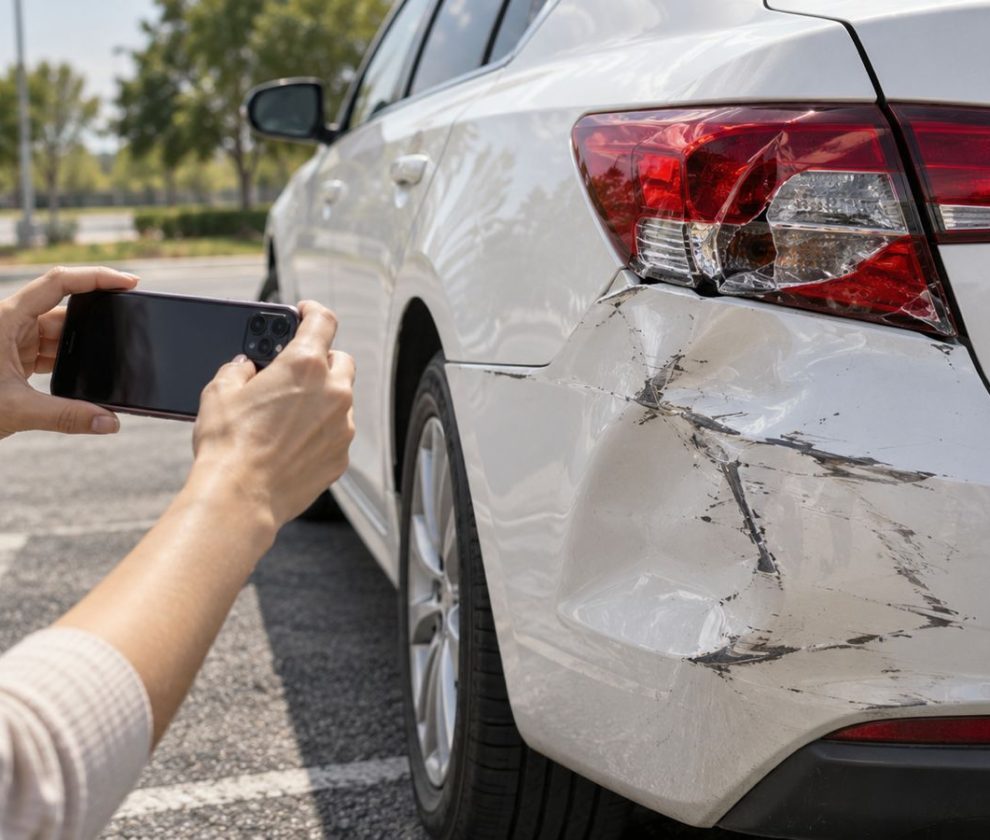
- Photographs from the accident scene
Having these documents organized can make the claims process smoother and reduce delays if additional information is requested.
How Parks Law Firm Can Help Simplify the Process
Obtaining a police report is only one part of the paperwork that follows a car accident. Many people also have to coordinate with insurance companies, collect medical records, organize repair estimates, and submit documentation throughout the claims process.
The Parks Law Firm helps accident victims navigate these administrative steps by assisting with document collection, helping obtain accident reports, and organizing the information needed to move a claim forward. Our team can also help connect individuals with trusted medical providers and provide general guidance throughout the insurance process.
By helping reduce the paperwork and administrative burden, we make it easier for clients to focus on their recovery while ensuring their claim gets started with the necessary documentation.
Important Note
This article is provided for general informational purposes only and does not constitute legal advice. Procedures for obtaining a police report may vary depending on the investigating agency and the circumstances of the accident.