
06 Oct
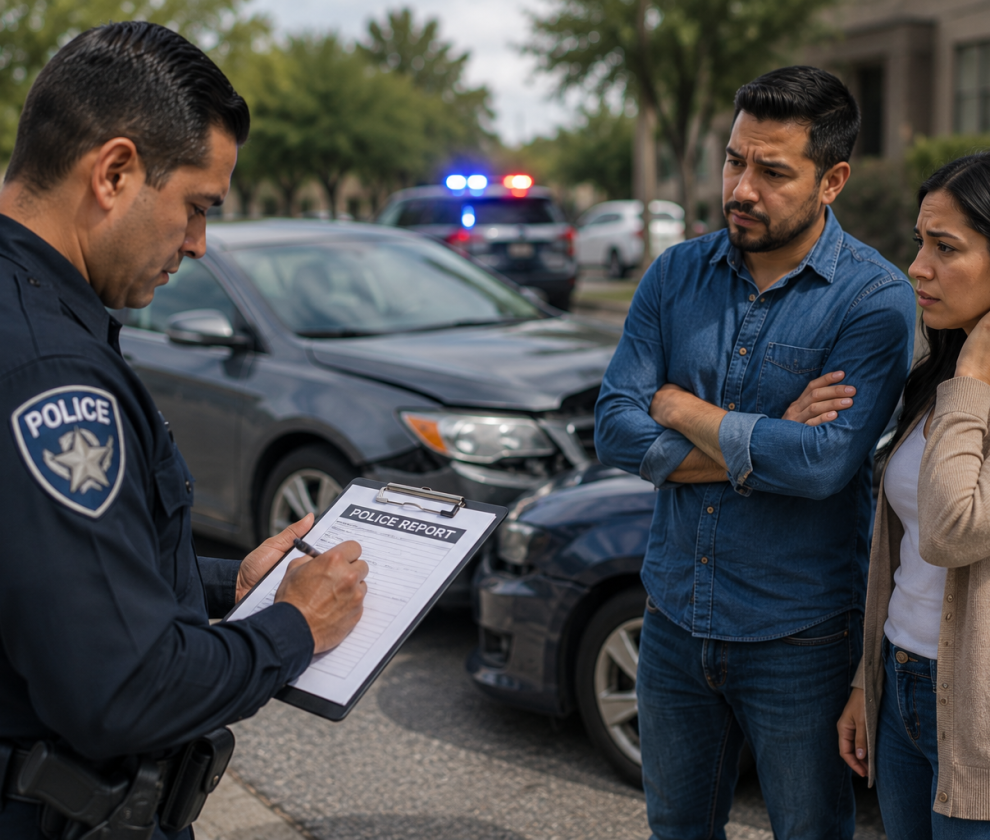
After checking that everyone is safe, one question often comes next: what happens to the car? You may need a tow, a repair estimate, or a way to get to work tomorrow.
Knowing what to do when you have a wreck means handling those practical problems while keeping track of your health and the insurance claim. These steps can help Texas drivers ask useful questions and avoid making decisions without enough information.
Handle Safety Before the Vehicle Claim
Check for injuries and call 911 when emergency help is needed. If the collision is minor, nobody is injured, and the vehicles can move safely, get out of the travel lanes. Stay nearby to complete the required exchange of information.
Photograph the scene only from a safe position. A picture is never worth stepping into traffic. If the vehicle cannot be driven safely, contact law enforcement and explain where it is blocking the road.
Give responders clear information about anyone who needs help. The car can be dealt with after urgent needs are addressed.
Know Where the Tow Truck Is Taking Your Car
Before the vehicle leaves, confirm the towing company, destination, and contact number. Ask about the charges and get the paperwork. TDI advises drivers to be cautious about towing scams and to understand what they are signing.
Keep that information with the vehicle’s license plate number and your claim details. If someone else arranges the tow, ask them to send you the destination in writing.
Tell the adjuster where the vehicle is located. Then ask who will arrange the inspection, whether it should be moved, and which charges the insurer has agreed to consider. Don’t leave those questions to assumptions between the tow company, repair shop, and insurer.
Document What Needs to Be Repaired
Take clear pictures before repairs begin, when it is safe and practical. Ask the shop for a written estimate that identifies the work it proposes.
Texas drivers can choose their repair shop. If the shop finds additional damage, it can send a revised estimate to the insurer; approval of that additional work still needs to be addressed. Read the repair agreement before authorizing it.
Ask who will contact you if the estimate changes. It also helps to establish whether you’re authorizing inspection only or the repair itself. Keep a copy of whatever you sign.
Confirm Rental Arrangements Before Booking
Ask whether a rental is authorized, how much will be paid per day, and when payment ends. Request written confirmation so you have something to refer to if the arrangements change.
Your own policy may provide rental reimbursement for a covered loss if you purchased that coverage. Some policies also cover certain rideshare or taxi expenses.
Tell the rental company what has actually been approved. Ask about deposits, optional products, and charges above the approved amount before accepting the vehicle. Save transportation receipts even when reimbursement has not yet been decided.
Review a Total-Loss Offer Carefully
An insurer may declare a car a total loss after comparing its value with repair costs. Ask how the company calculated the vehicle’s value.
If the figure appears low, check the valuation against the correct trim, mileage, equipment, and condition. TDI recommends supporting a disagreement with local prices or quotes for comparable vehicles.
Prepare a short, specific response. Point out the incorrect feature or comparison and attach the supporting information. That gives the adjuster a concrete issue to review.
If you want to keep the damaged vehicle, ask about the payment deduction and title requirements before agreeing. Keeping it can affect what you receive and what must happen before it returns to the road.
Give Health Concerns Their Own Attention
Car repairs create plenty of phone calls, but they shouldn’t crowd out medical concerns. Ask a healthcare professional about symptoms after the wreck.
Some concussion symptoms emerge later. Repeated vomiting, a worsening headache, seizures, slurred speech, or difficulty waking require emergency evaluation.
Keep medical instructions and appointment details in a separate section of your accident file. When discussing the claim, describe your current condition accurately rather than guessing how quickly you will recover.
Ask for an Explanation When Insurance Will Not Pay
If the other driver’s insurer denies the claim, request its detailed reason in writing. Your own collision coverage may offer another route for vehicle damage, subject to its terms and deductible. Reimbursement of a deductible depends on recovery efforts and is not guaranteed.
Keep the denial with the estimate, photographs, and correspondence. Those documents give a reviewer a clearer starting point than a summary of several phone calls.
How Parks Law Firm Can Help
Parks Law Firm can help review an accident-related injury claim and explain the insurance questions connected to it.
If you’re dealing with disputed responsibility, medical expenses, or uncertainty about the next step, the firm can review the circumstances and discuss available options. Bring the repair paperwork alongside the injury records so the conversation starts with a clear account of what has happened.
Important Note
This article provides general information and does not constitute legal or medical advice. Coverage, deadlines, damages, and outcomes depend on the facts, applicable policy terms, and Texas law. No particular result is guaranteed.