
06 Oct
The crash is over, but there may still be a car to repair, a doctor to call, and an insurance message waiting on your phone. If you’ve already left the scene, start by identifying what needs attention today.
For a Texas car accident, that usually means addressing health concerns, organizing the records you have, and finding out which insurance claims need to be opened. Missing a photograph or forgetting a question at the scene doesn’t mean you should stop taking useful steps now.
Address Symptoms Before Paperwork
Contact a healthcare professional about symptoms after the collision. Explain when the crash happened, what you remember about the impact, and what has changed since then.
Concussion symptoms may be delayed. A worsening headache, repeated vomiting, seizures, weakness, or unusual confusion calls for emergency medical attention.
If you’ve already received care, keep the discharge instructions where you can find them. Write down questions for your follow-up appointment, including concerns about driving, returning to work, or activities that make you feel worse. Treatment decisions should follow your medical needs.
Build One Accident File
Create a folder for crash-related records. Start with what you already have rather than waiting until everything is available.
A simple arrangement is:
- Scene photos, witness details, and your written account.
- Medical paperwork and appointment information.
- Vehicle estimates, towing receipts, and transportation expenses.
- Insurance letters, claim numbers, and call notes.
Add the date and a brief explanation to each new item. A receipt is easier to understand later when it says why the expense occurred.
Write your recollection while it is still clear. Distinguish what you saw from what you learned afterward. If you don’t remember something, leave that uncertainty in the account.
Find Out Whether a Crash Report Is Available
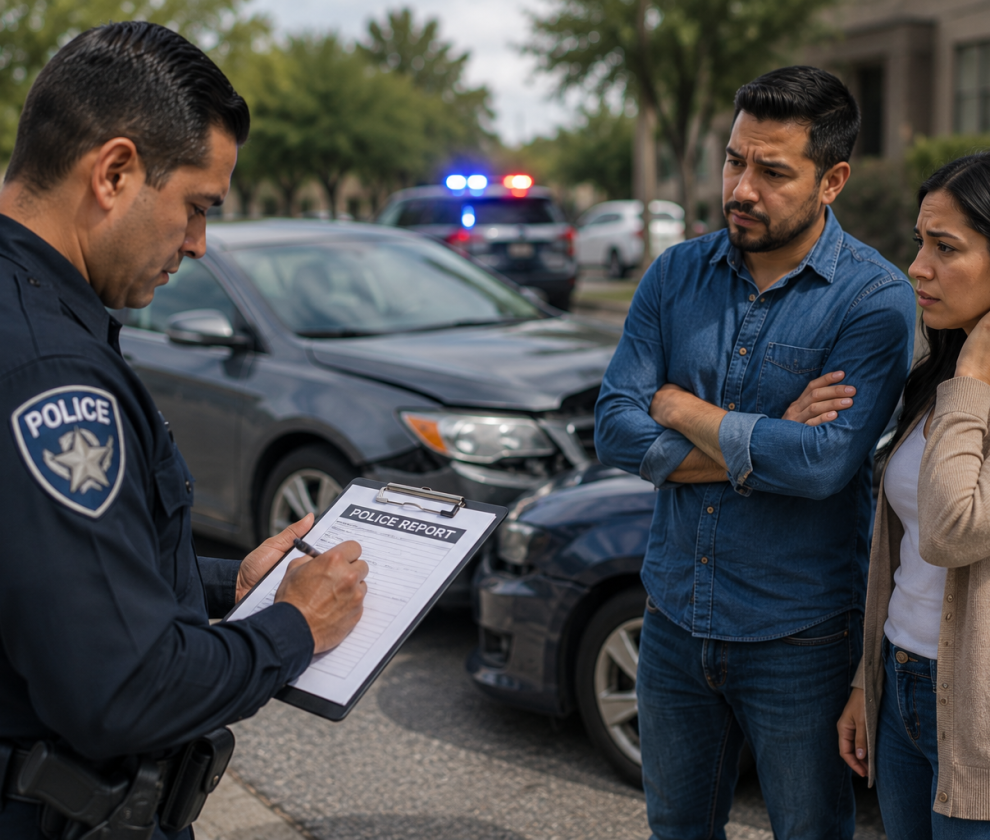
If police investigated, ask the responding agency how to obtain the report. Eligible people involved in a crash can also purchase an available Texas Peace Officer’s Crash Report through TxDOT’s online system.
If officers did not investigate, don’t assume there will be a state report to download. TxDOT no longer retains the old Driver’s Crash Report, commonly called the CR-2. Keep any local form and your own documentation.
When you receive a report, check basic details such as your name, vehicle, and location. Ask the investigating agency about its process if you identify a factual error.
Notify Your Insurer and Clarify the Claim
Let your insurance company know about the accident. If you believe another driver caused it, you can also make a claim with that driver’s insurer. Payment is not automatic: the company may dispute responsibility, coverage, or the amount claimed.
Keep a brief log of conversations. Record who called, what they requested, and any promised follow-up.
Cooperate with your own insurer’s information requests. If you don’t understand a request, ask for clarification rather than ignoring it; failure to cooperate can have consequences for policy renewal.
Ask Which Coverages May Apply
Different coverages serve different purposes. Collision coverage may address damage to your car. Personal injury protection or medical payments coverage may help with eligible medical expenses, while uninsured/underinsured motorist coverage may apply when the responsible driver lacks sufficient insurance. Availability depends on the policy and circumstances.
Ask the adjuster to identify the coverage being considered and any deductible. Request an explanation of what remains unresolved.
Avoid assuming that opening a claim means every bill has been approved. Keep copies of what you submit and ask for confirmation when an expense is accepted or denied.
Understand a Disagreement About Fault
An insurer blaming you for part of the crash does not answer every legal question. Ask what evidence supports its position.
Under Texas proportionate-responsibility rules, a claimant generally cannot recover in a covered negligence action if their responsibility exceeds 50%. A smaller share of responsibility can reduce the damages recovered.
If fault is disputed, an attorney can review the evidence and explain how the rule applies to your circumstances.
Check Deadlines While You Organize the Claim
Texas generally sets a two-year limitations period for personal-injury lawsuits, measured from when the claim accrues. Exceptions can change the calculation, and other notice requirements may apply.
Don’t use that general period as a reason to postpone getting advice. Ask for the deadlines that apply to your particular claim, especially if you’re unsure who may be responsible.
How Parks Law Firm Can Help
Parks Law Firm can review the accident records, help clarify insurance questions, and assess a dispute about responsibility.
You don’t need a perfectly organized file before reaching out. Share the documents you have and identify the unanswered questions. The firm can explain what additional information may be useful and discuss your available options.
Important Note
This article provides general information and is not legal or medical advice. Rights, coverage, deadlines, damages, and outcomes depend on the specific facts and applicable law. Consult a qualified professional about your circumstances.